
Machine Maximum: the Ceiling
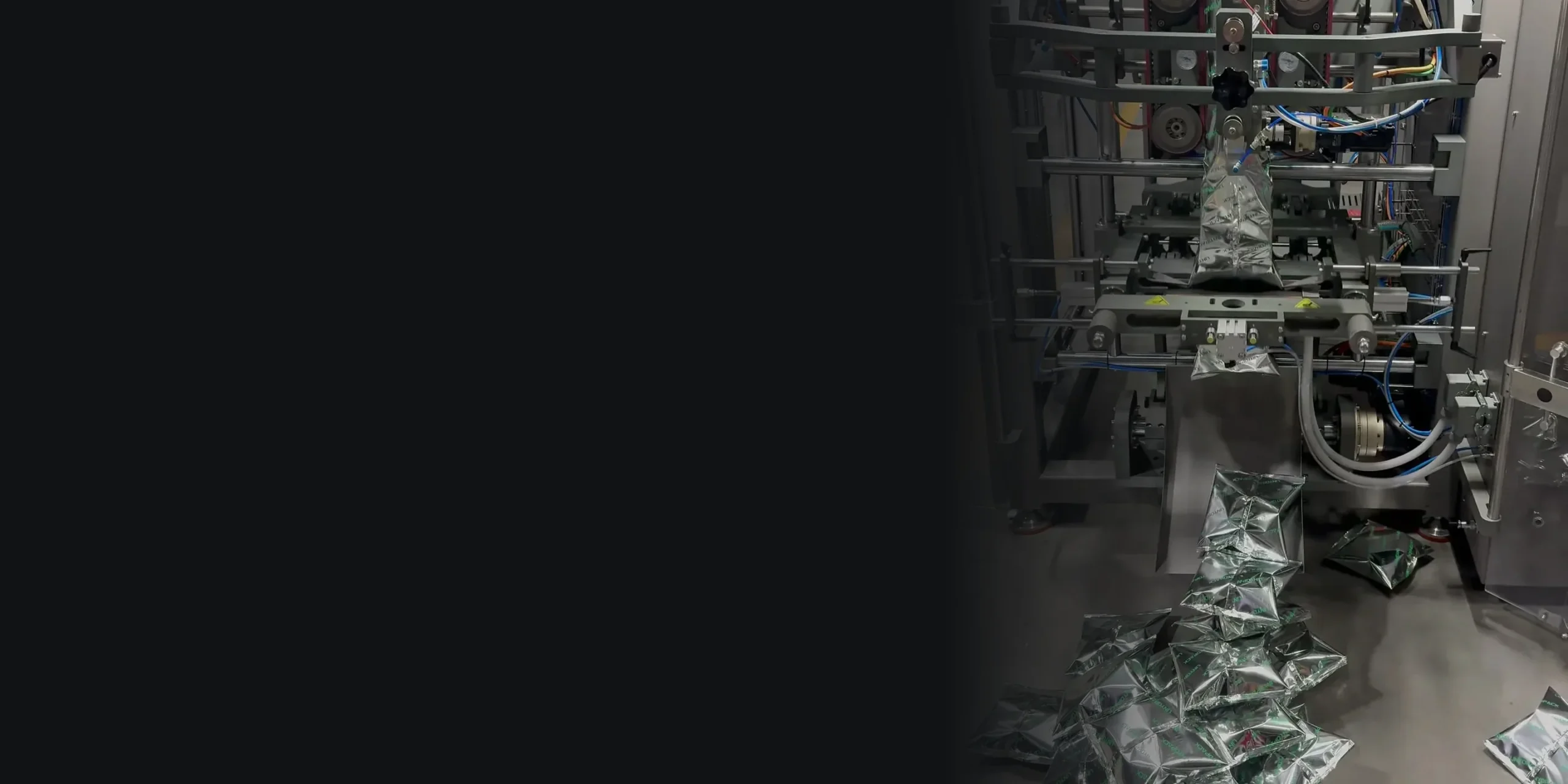
Every VFFS brochure quotes a maximum speed. Ours do too: up to 160 bags/min on the SVC260 continuous-motion VFFS, 20–90 bags/min on the VP Series and up to 80 bags/min on the VGT quad-seal VFFS.
A machine maximum tells you how fast the mechanics can cycle. It does not tell you how many good packs of your product the machine will make. That depends on everything in this guide, which is why we mark these figures as machine maximums on every page.
Seven Things That Set the Real Speed
1. The product
How the product flows, its piece size, and whether it sticks, breaks or bounces. Glazed frozen shrimp clump together; coated nuggets shed crumbs; snacks are light and bulky. Each one changes how fast it can be weighed and dropped into the bag.
2. Fill weight and bag size
A larger fill takes longer to drop and settle, and a longer bag takes longer to form and pull. The same machine runs slower on 2 kg bags than on 200 g bags.
3. The film
Film structure and thickness set how long the jaws need to make a good seal. The SVC260 runs film from 0.04 to 0.10 mm thick; where in that range your film sits, and how it seals, affects the cycle.
4. Dosing and weighing
The bagger can only run as fast as the weigher or filler delivers accurate doses. A multihead weigher, an auger filler for powders or a cup filler each have their own sustainable dose rate for your product.
5. Product drop and settling
Every dose has to fall through the forming tube and clear the seal area before the cross seal closes. Long drops, bouncing pieces and product that hangs in the tube all slow the cycle.
6. Seal quality
Product or crumbs caught in the seal turn speed into rejects. A machine running fast with a high reject rate makes fewer saleable packs than the same machine running a little slower with clean seals.
7. Downstream equipment
Inspection, case packing and palletizing have to keep up. A line runs at the pace of its slowest stage.
From Machine Speed to Good Output
We count output at four levels, from the machine maximum down to accepted packs.
| Level | What it means |
|---|---|
| Machine maximum | The top speed of one machine, such as 160 bags/min on the SVC260. |
| Application speed | What the machine sustains with your product, fill weight, bag and film. |
| System rated output | What the whole line sustains, set by its slowest stage. |
| Sustainable good output | Accepted finished packs per hour, confirmed at FAT. |
To size a line, start from what you need to deliver, not from the machine:
For example, 1,200 kg/h of 1 kg bags means 1,200 good bags per hour, or 20 good bags per minute, sustained. The weigher, the bagger, inspection and case packing all have to hold that rate together.
How to Find Your Real Speed
The reliable way is to run your own product and film on the machine before the configuration is fixed.
- Packaging test. Free; you cover the shipping of your samples. You get a test video and a written record within 3–5 working days after the samples arrive, and you can follow the test on a live video call.
- Acceptance criteria. The output target, the reject rules and the test duration are written down before FAT.
- FAT. The agreed configuration is tested against those criteria, with stops listed by cause.
A test result shows what your product achieves on the machine. It replaces the brochure figure as the basis for your line.
Questions to Ask Any Supplier
- Under what product, fill weight, bag and film was the top speed measured?
- What output do you expect with my product, my bag and my film?
- How are rejects and stops counted in that figure?
- Will you test my product before I order?
- What output will be agreed as the acceptance target at FAT?
Find Out What Your Product Can Run At
Send your product, target weight, bag and film. We test them free of charge; you cover sample shipping.
Request a Packaging Test