
Testing & FAT
Turn brochure specifications into acceptance conditions for your project: your product is tested before you order, and the machine is accepted against criteria agreed in advance.
Three Steps to an Accepted Machine
Your product is tested before you order, and again before the machine ships.
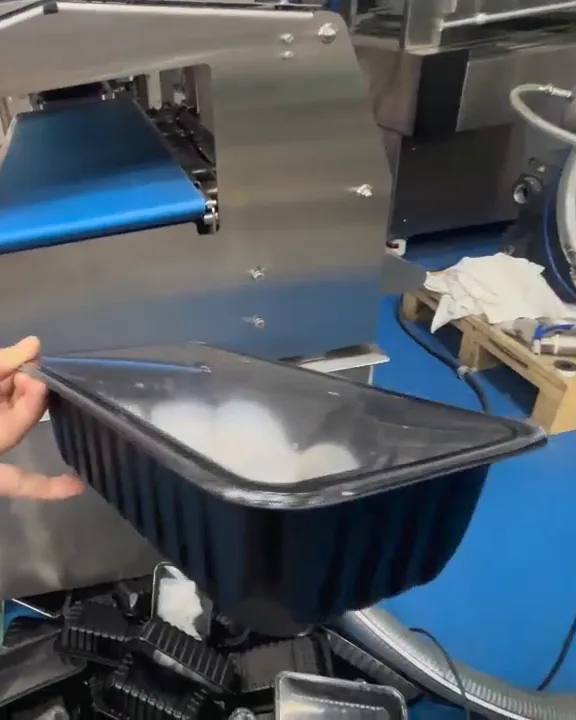
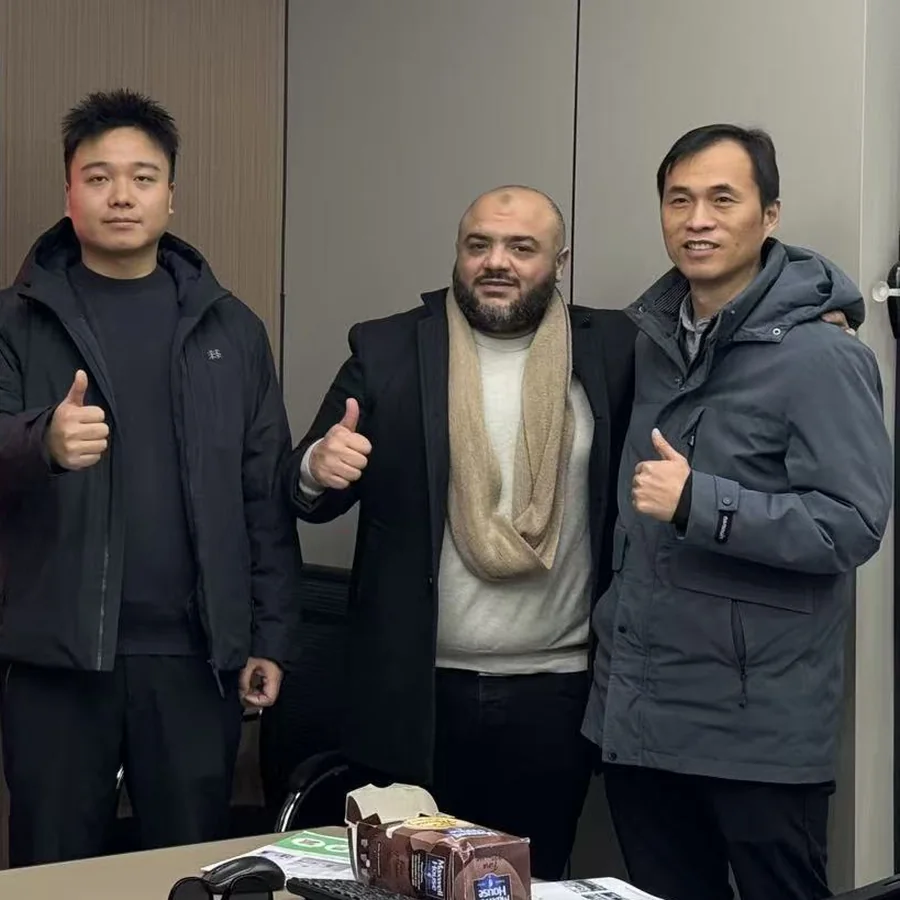
Agree the Acceptance Criteria
Write down the machine configuration and the output it must reach at FAT.
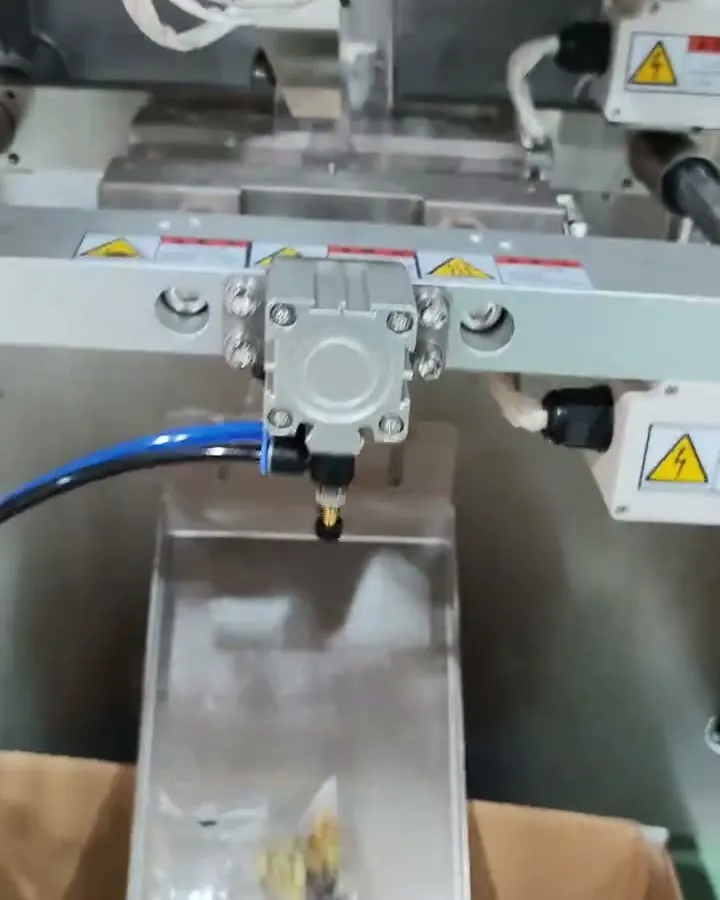
Factory Acceptance Test
Test the agreed configuration and record stops, open items and acceptance.
Test Before You Commit
Where the application needs it, a packaging test shows what works, what does not and what must be adjusted before you commit. It is free; you cover the shipping of your samples.
The real product
Target fill weight
Bag, pouch or tray
Film or package material
Feeding and dosing
Product in the seal
Sealing and closure
Finished-pack appearance
Sustainable good output
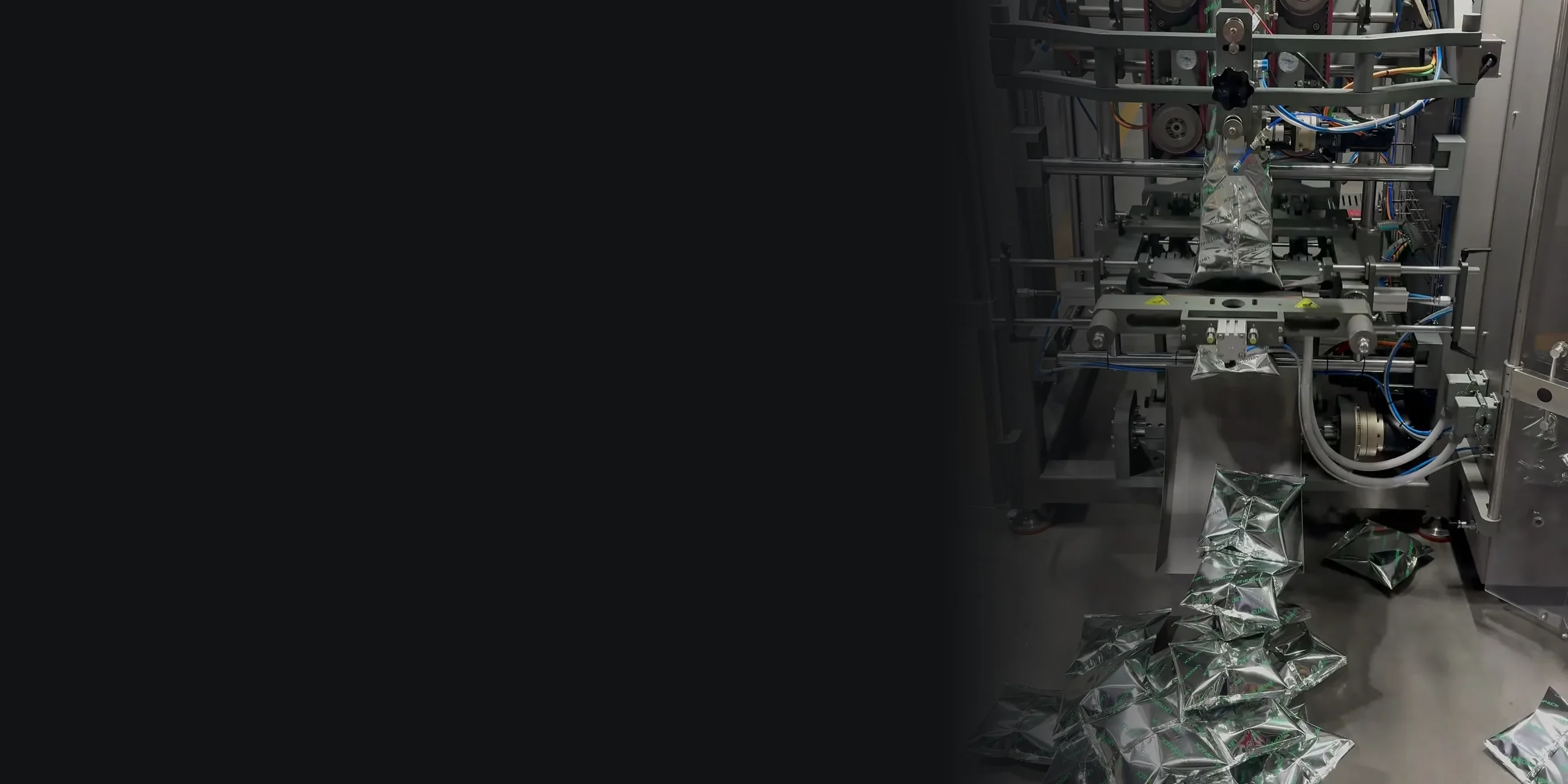
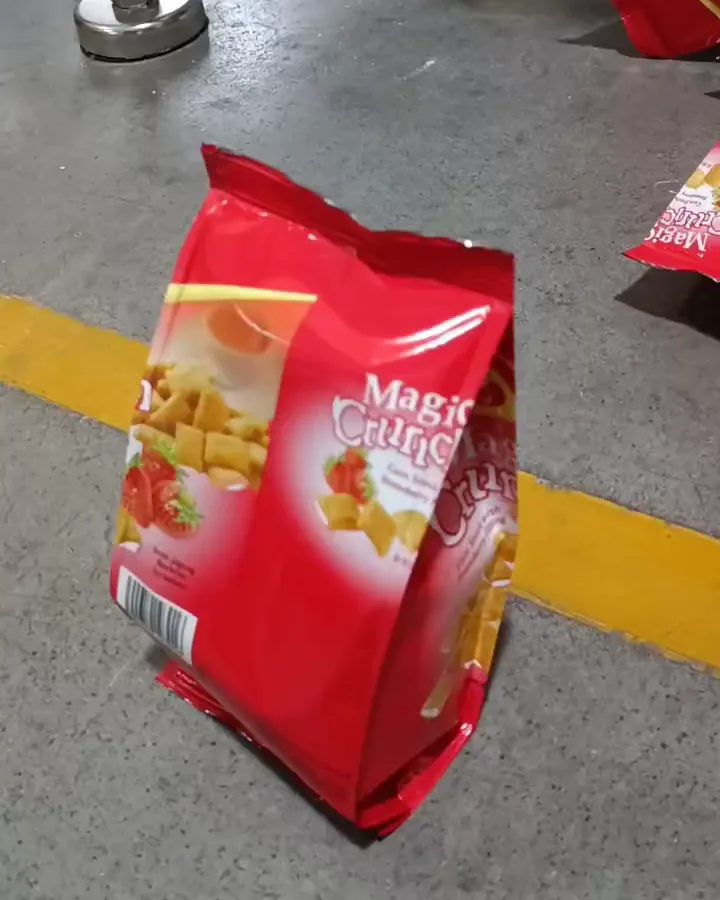
Photo: quad-seal bag from a VGT test run in our workshop.
FAT Is the Formal Acceptance
FAT is different from an exploratory test. Four things are fixed first, and the agreed configuration is then tested against them.
- 01
Product
The product and its condition, as it will run on the line
- 02
Package
Bag, pouch or tray, film and fill weight
- 03
Configuration
The machine and line set-up that will be tested
- 04
Acceptance Criteria
What the machine must reach, written down before the test
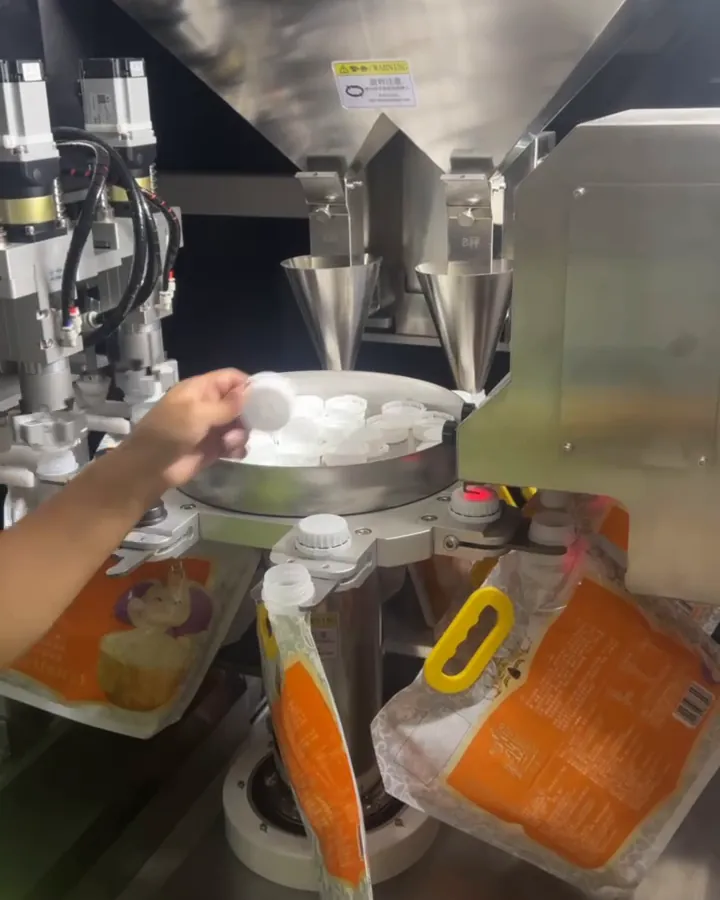
Criteria are agreed before the result is known, not adjusted afterwards to fit it. Photo: Wide-Spout filler running in our workshop.
Good Output, Not Machine Cycles
Machine cycles show how fast the machine moves. Acceptance counts the packs you can sell.
Acceptance can also include, depending on the project
Yield
Fill-weight limits
Seal and closure quality
Package dimensions
Residual O₂ or cap torque, where they apply
Inspection and reject tests
Case packing and palletizing, where included
Changeover
Documentation
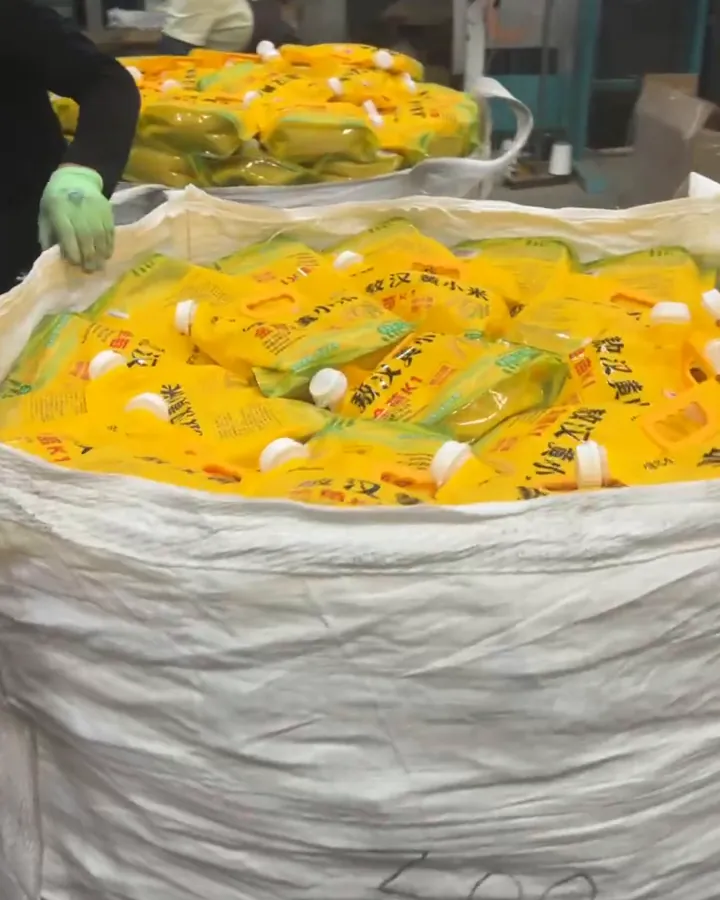
Photo: filled pouches from a Wide-Spout test run in our workshop.
Every Stop Recorded, Every Result Named
The FAT record lists stops by cause instead of hiding them in one total, and open items are closed, not ignored.
Stop causes we record
- Product starvation
- Film, pouch or cap supply
- Jam or blockage
- Packaging machine fault
- Fault on other line equipment
- Operator intervention
- Planned changeover
- Site utilities
- Safety stop
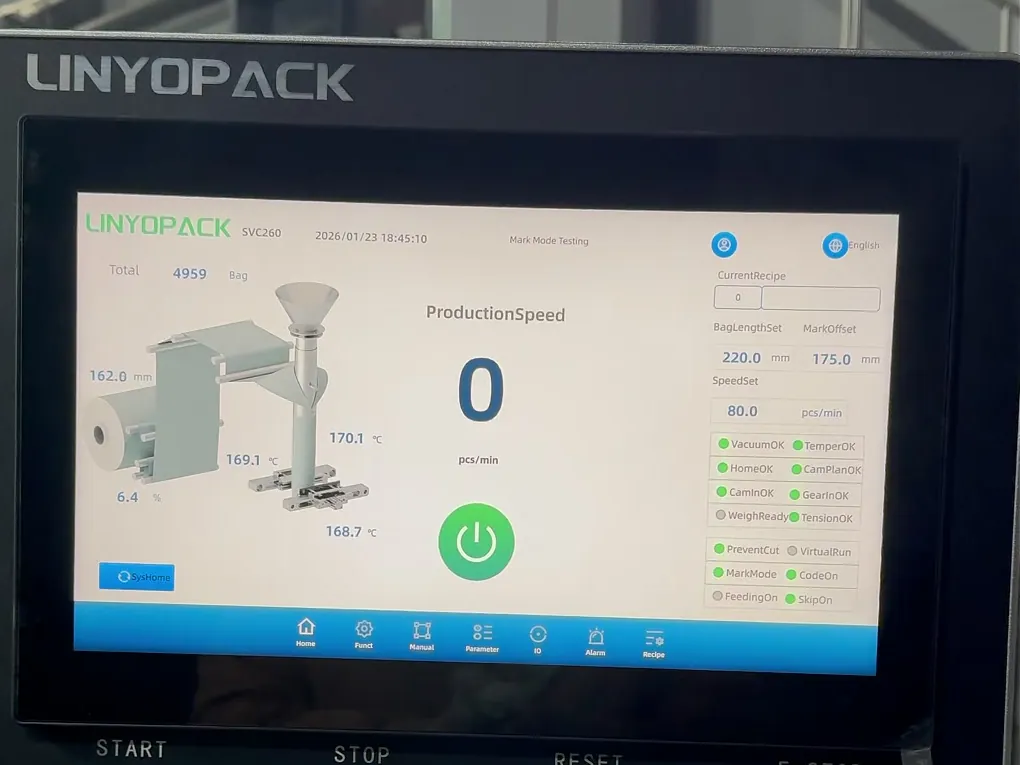
Photo: touchscreen HMI on the SVC260.
Acceptance status
PASS
All agreed criteria are met.
PASS WITH OPEN ITEMS
Accepted, with the open items recorded for closing.
RETEST REQUIRED
A criterion is not met. The machine is adjusted and the test is repeated.
NOT TESTED
A criterion that could not be tested, recorded as such.
Related Pages
The test, the project steps and the machines behind them.
Is the packaging test the same as FAT?
No. The packaging test checks whether your product and package run well and what needs to change. FAT checks the final agreed configuration against acceptance criteria agreed before the test.
What is agreed before FAT?
The product, the package, the machine configuration and the acceptance criteria, in writing, before the test starts.
How long does a FAT take?
It depends on the project and the acceptance scope, so the duration is agreed together with the criteria.
Can I witness the FAT?
Yes, where the project includes it. You can attend at our factory in Hebei, China, or follow it on a live video call, and you receive the test records and video.
What happens if a criterion is not met?
The result is recorded as retest required. The machine is adjusted and the test is repeated. Criteria are not changed afterwards to fit the result.
Is every machine tested before it ships?
Yes. Every machine is tested before it leaves our factory.
Start With Your Product
Send your product, package and target output. We will reply with the next engineering step.
- 01Product
- 02Package
- 03Output
- 04Line scope
We reply within 1 working day.
Quick enquiry
We use these details to reply to your enquiry. Read our Privacy Policy.